十二生肖
China-Tanzania healthcare cooperation brings AI-powered diagnosis to patients_我的网站

一 |
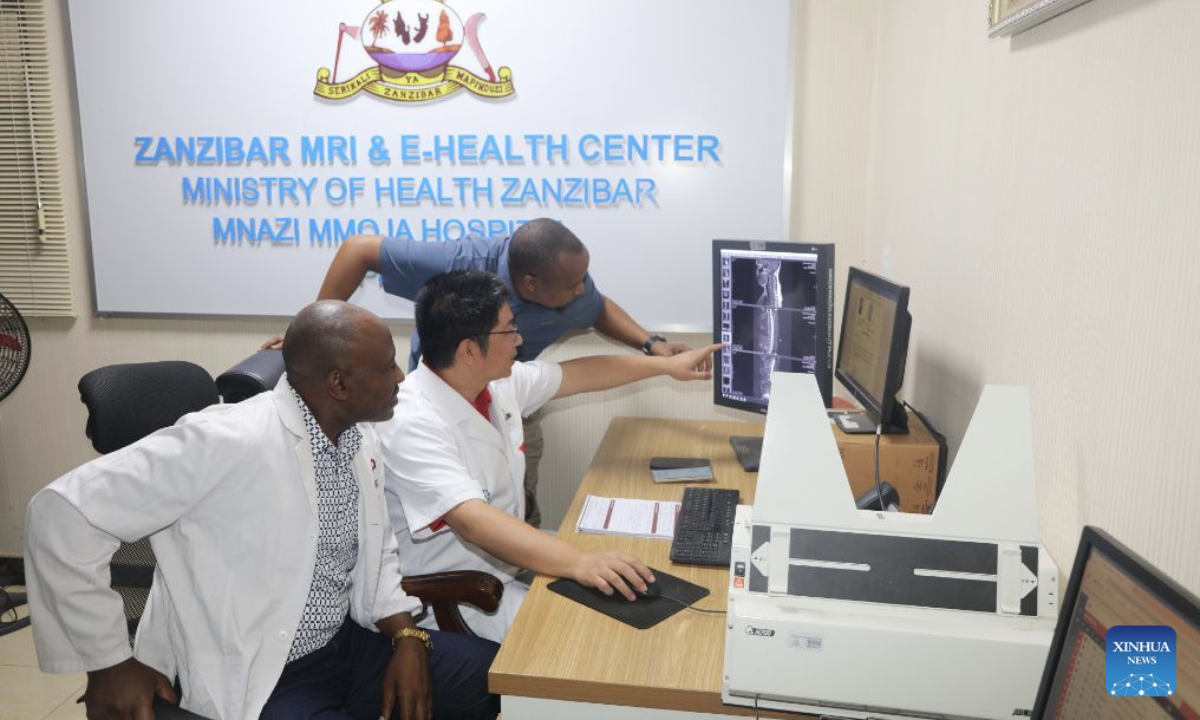
On the island, artificial intelligence (AI) systems are helping doctors interpret medical images, while remote consultations connect local physicians with specialists thousands of kilometers away.
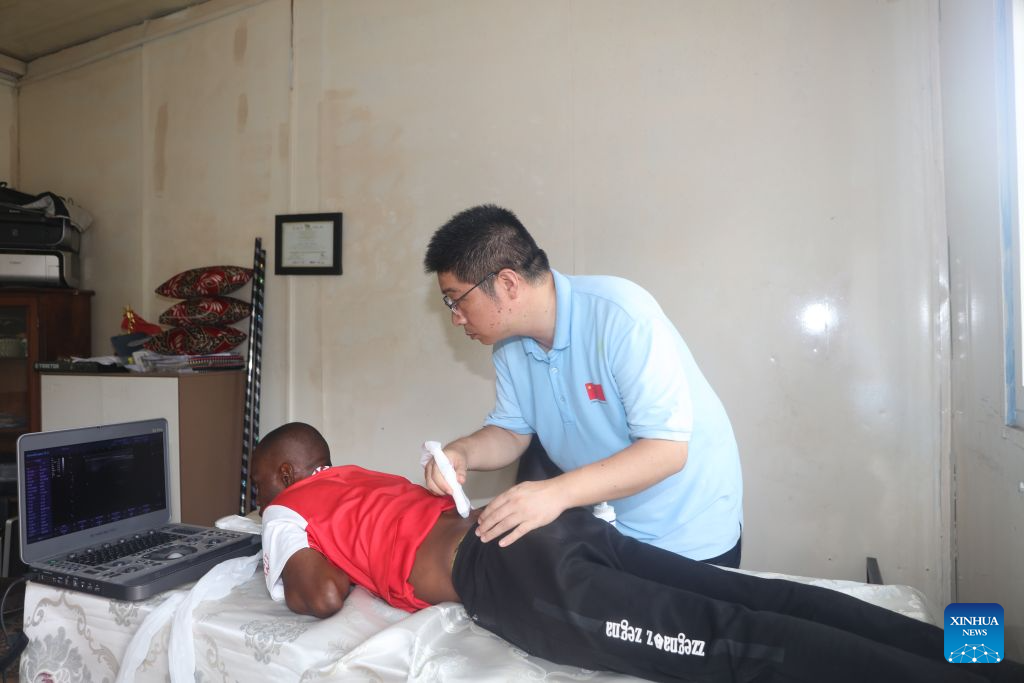
Bridging this distance is Yuan Gang, a radiologist with the 35th Chinese medical team in Zanzibar, who combines local imaging, cloud-based AI analysis, and real-time specialist consultations.
For years, Zanzibar's healthcare system has faced challenges in diagnosing complex diseases, particularly because of limited imaging expertise, heavy workloads, and the lack of advanced diagnostic tools, said local physician Haitham Hamudu.
Imaging interpretation, often described as the "eyes" of modern medicine, has been especially constrained by limited expertise, heavy workloads, and a lack of advanced tools, Haitham said.
By linking the hospital's imaging system with the First People's Hospital of Lianyungang in east China's Jiangsu Province, he has introduced a three-layer diagnostic approach, which includes initial reading by local doctors, AI-assisted detection and classification, and quality control through Chinese specialist review.
This hybrid model is enabling doctors in Zanzibar to access the precision and standards of top-tier Chinese hospitals without requiring patients to leave the island.
"Technology is allowing us to overcome distance and resource gaps," Yuan said. "It is not just about solving one case, but about building a system that improves care for many patients."
One of the most striking cases involved a young Zanzibari child suffering from recurrent vomiting and lethargy.
After reviewing the child's Magnetic Resonance Imaging scans, Yuan diagnosed hydrocephalus but found the underlying cause unclear. He immediately initiated a remote consultation with neuroradiology experts in the Chinese city of Lianyungang.
By jointly reviewing the imaging data and clinical records, the team identified the hidden cause, provided a precise diagnosis and treatment recommendations, giving local doctors a clear path forward and the child a renewed chance at recovery.
Beyond individual cases, Yuan has introduced AI-powered imaging tools to improve diagnostic accuracy in Zanzibar.
He said many women have dense breast tissue, making breast cancer harder to detect with conventional mammography. AI-assisted mammography now analyzes images, classifies lesions using the internationally recognized Breast Imaging Reporting and Data System, and helps doctors assess malignancy risk.
In one case, a 42-year-old woman with mild breast pain showed no obvious abnormalities on routine examination. AI, however, detected two hidden nodules and accurately classified their risk, helping doctors avoid unnecessary procedures while ensuring timely follow-up.
Similarly, AI-assisted lung imaging is improving the early detection of pulmonary nodules that are often missed in manual readings.
In one case, a 56-year-old man with a chronic cough was initially diagnosed with inflammation. Yuan's review, supported by AI analysis, identified four small nodules, including one with high-risk features, prompting closer monitoring and potentially preventing the progression of an early tumor.
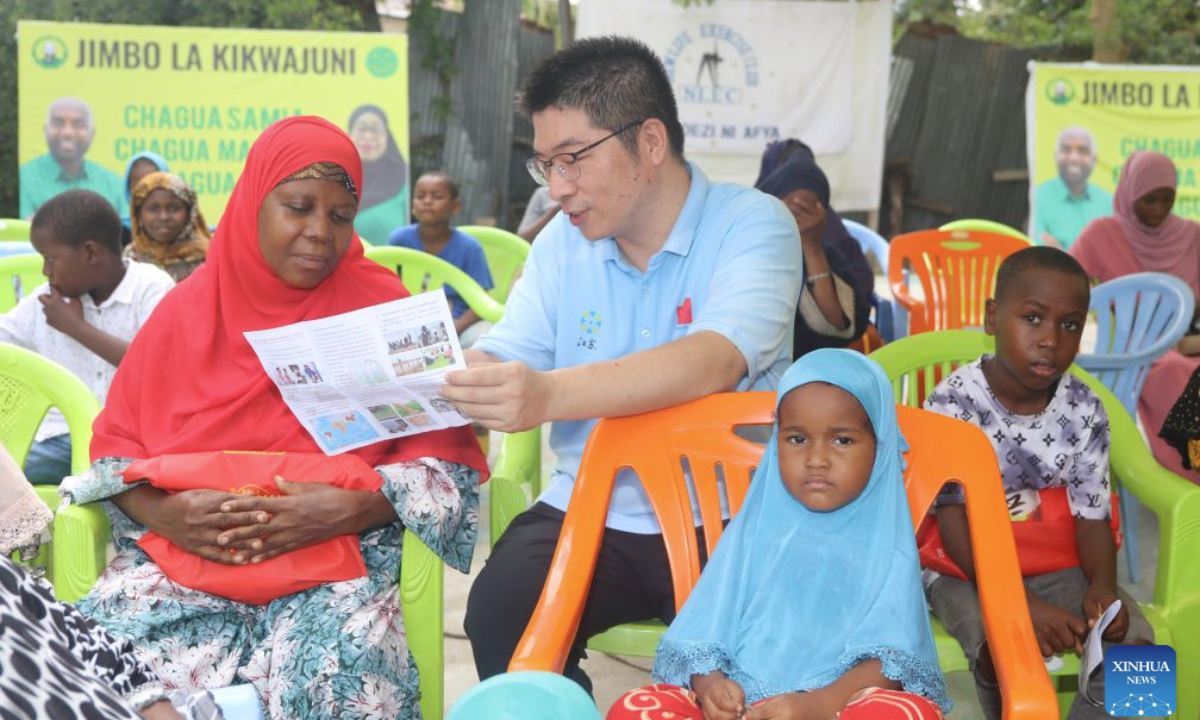
Beyond diagnosis, Yuan is helping local doctors adopt AI tools, standardized reporting systems, and structured diagnostic methods through hands-on training and case-based teaching, improving diagnostic accuracy while strengthening local capacity.
The AI imaging initiative is part of a broader digital healthcare partnership between China and Tanzania's Zanzibar, Yuan said.
The hospital and its partner institution in Lianyungang have established regular remote multidisciplinary team consultations, bringing together specialists in neurosurgery, oncology, and other disciplines to jointly review complex cases and develop treatment plans.
"I have never seen this kind of consultation before," said local physician Haitham. "So many experts working together, providing practical solutions. It is very inspiring."
Bao Zengtao, leader of the Chinese medical team, said remote consultations not only improve patient care but also enhance the professional capacity of local healthcare workers.
Yuan added that the ultimate goal is to build a sustainable model that can be expanded across Africa, ensuring more patients have access to accurate diagnosis and timely treatment.
。

二 | 本报北京8月23日电 (记者王东辉)记者从中国物流与采购联合会冷链专业委员会获悉:今年上半年食品冷链物流业务总需求量达2亿吨,同比增长4.7%,增速较上年同期加快0.3个百分点;食品冷链物流服务企业总收入为2901.8亿元,同比增长3.7%。

三 | 新能源冷藏车加速渗透,绿色运力占比再创新高。据测算,上半年冷藏车销量为42111辆,同比增长42.9%;其中,新能源冷藏车销量为20285辆,同比增长92.3%,保持高速增长态势。新能源冷藏车渗透率达48.2%,较上年同期提升12.4个百分点。二季度单季渗透率升至54.7%,呈加速渗透态势,新能源冷藏车渗透率在季度维度上首次超越传统燃料车型,冷链运输绿色化进程进入加速发展阶段。 在宏观经济回升向好、物流运行韧性增长的背景下,叠加假日消费集中释放、线上消费持续活跃及跨境冷链贸易稳步增长等因素,上半年冷链物流保持稳步发展态势,冷链消费需求温和回升,绿色低碳转型加速推进。 《人民日报》(2026年08月24日 第 01 版)。
Current article:http://vyuei.choumaimuwogenkuzhainuan.bond/list_1ro1e/6jq4l.html
Published on:00:31:00